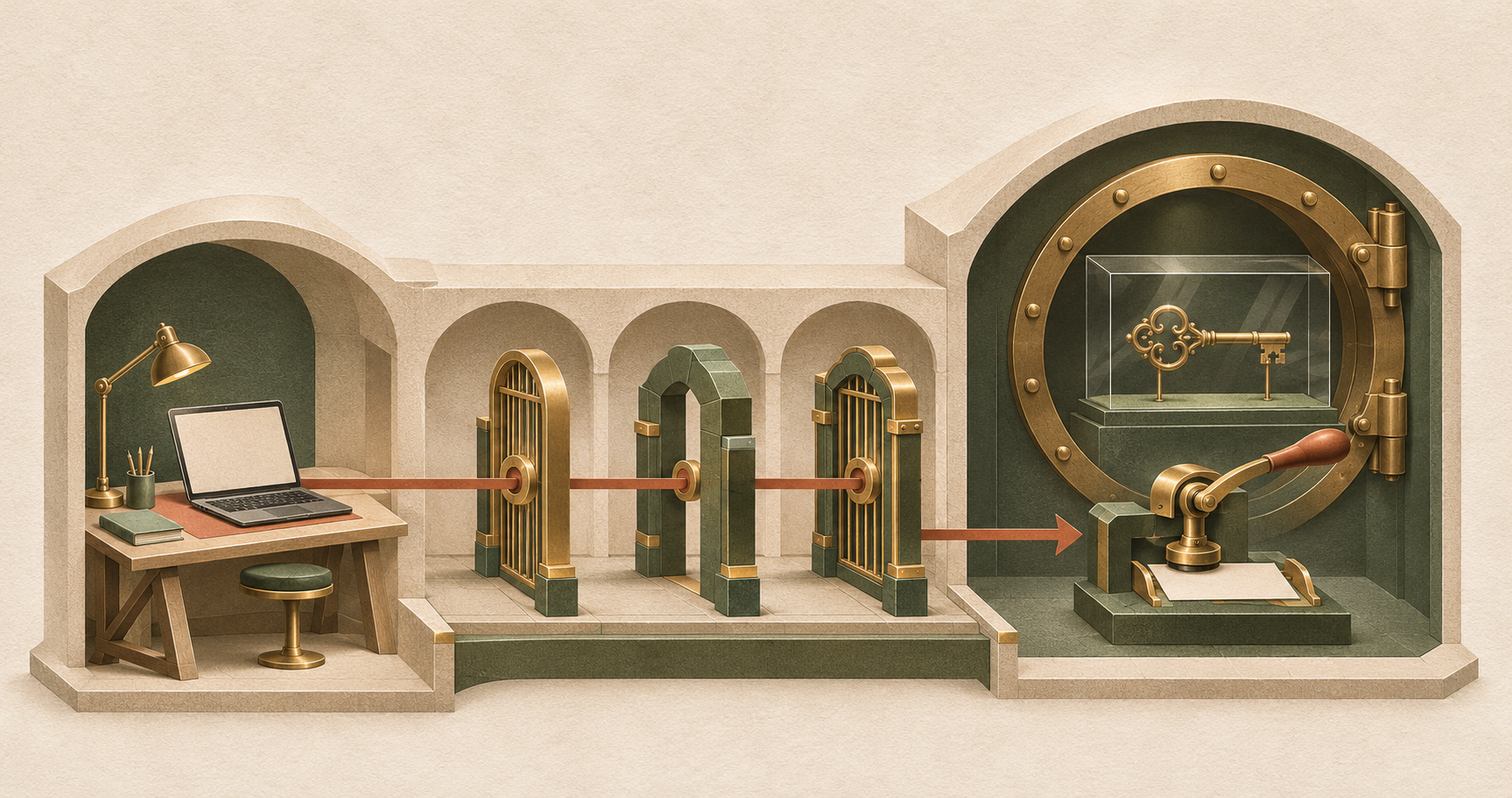
Open your inbox after publishing a tutorial. One reader wants to export a single project. Another included an account number in a support request. A third suggests a topic for your next video. Before writing a word back, you already...
You receive a job opportunity. Talk to a recruiter. Make it to the next round. Then comes the technical assessment: download a project and get it running.
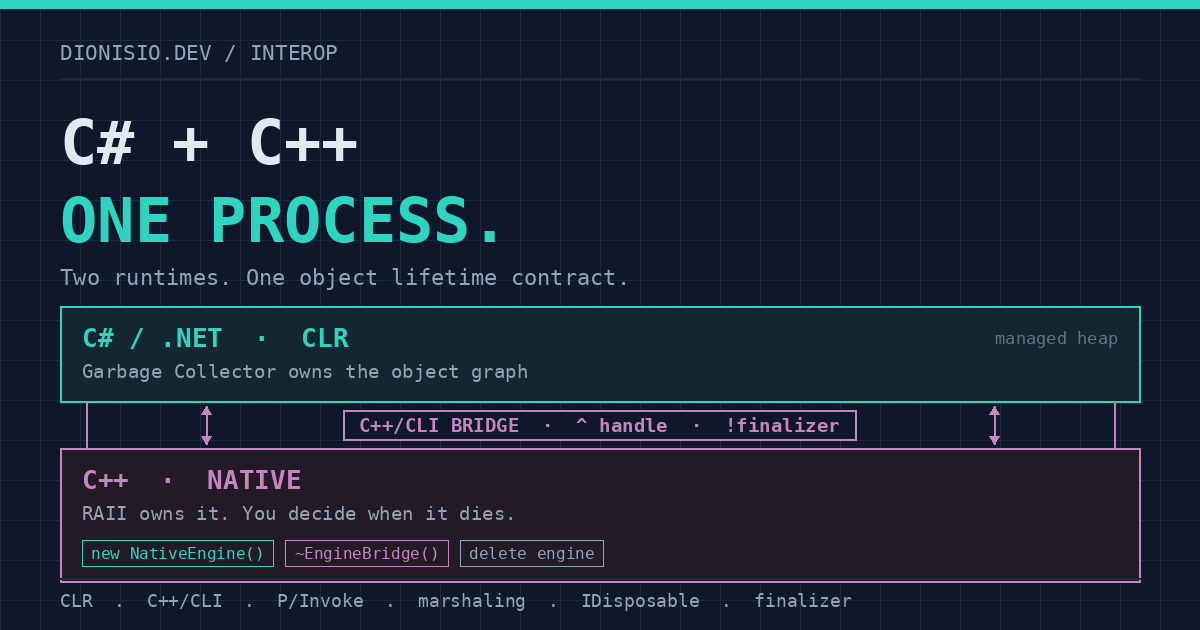
You ship a Windows desktop application. The interface is C#. The calculations that actually matter run in a C++ library that has been in the company longer than most of the team.
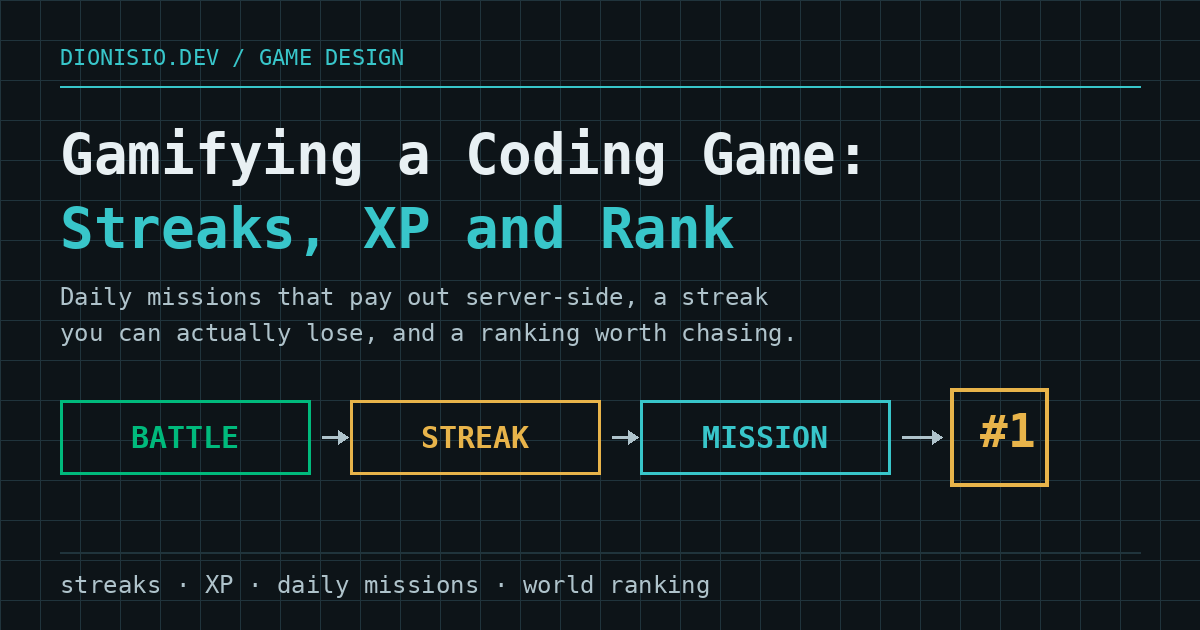
The first version of Code Royale was a fair game. Two players, one challenge, an energy bar, a winner. It did exactly what it promised, and players closed the tab the moment they lost.
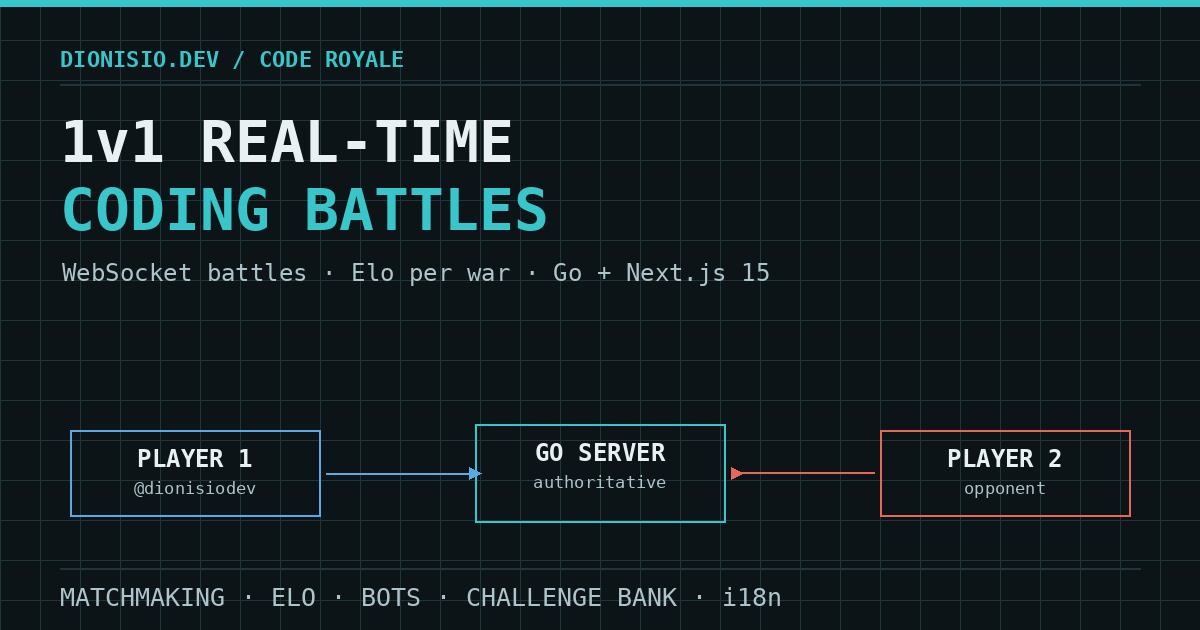
Most "real-time" projects I see are chat apps or dashboards. They are real-time in the sense that data eventually shows up. That is a forgiving problem: if a message arrives two seconds late, nobody loses anything.
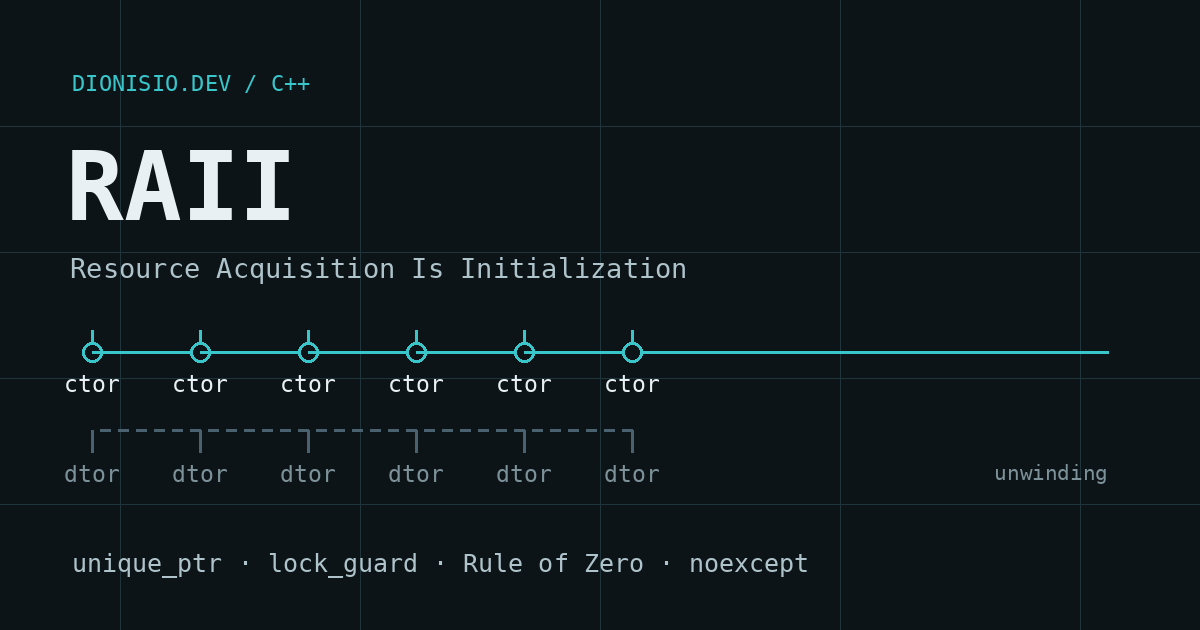
Most resource bugs are not logic bugs. They are path bugs. The allocation happened on line 40, the failure happened on line 55, and the free that belonged to line 90 never ran. You did not misunderstand the algorithm. You missed a branch.
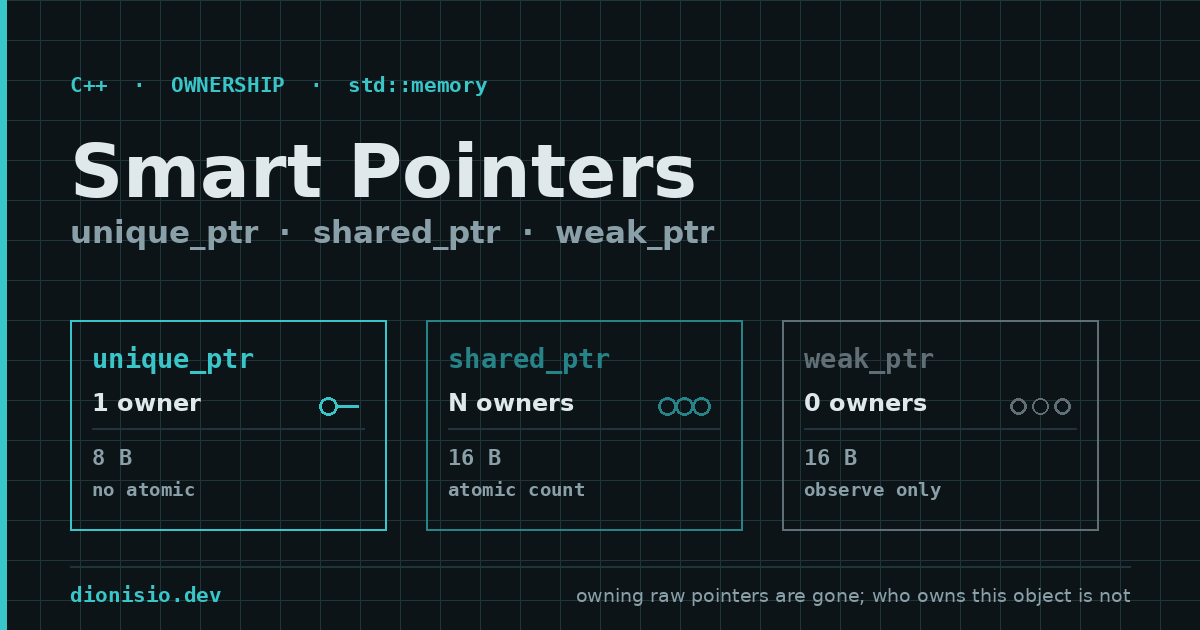
If you have written C++ in the last decade, you know the three names. uniqueptr for exclusive ownership, sharedptr for shared, weak_ptr to observe without owning. Repeating that is not useful.
Your service receives a request, queries another service, and stores the result. The business flow fits in three lines. The implementation grows when every step requires a callback, a state object, and a separate error path.
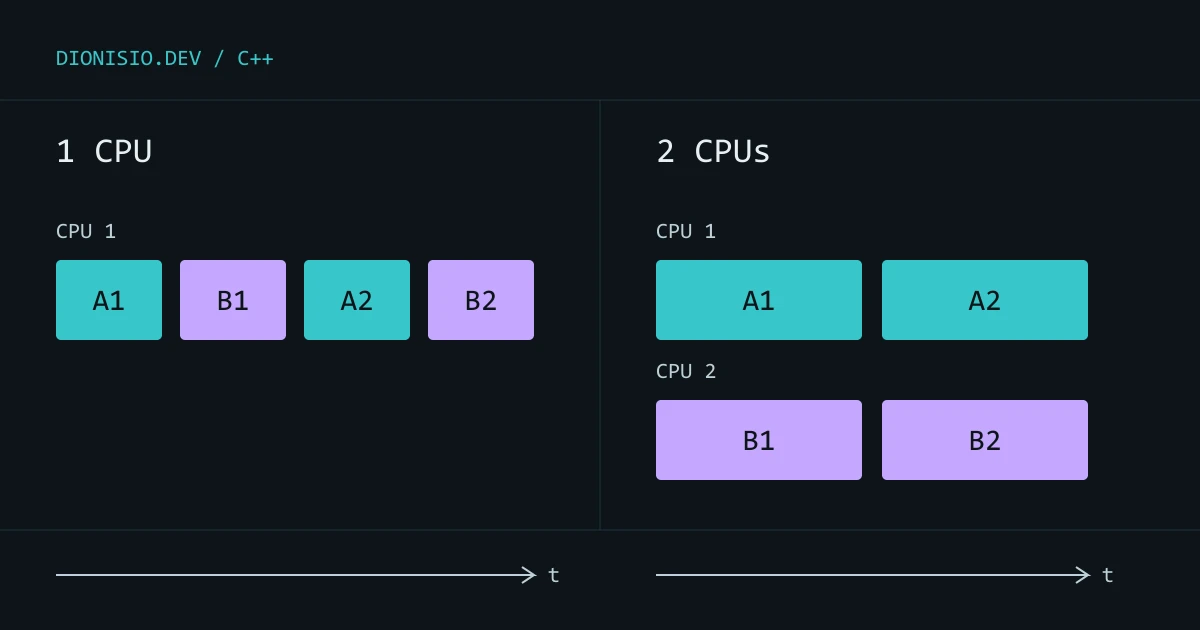
You open an application that downloads a file while responding to your clicks. Then you run a program that splits an image across several cores to apply a filter. Both have more than one task. But they solve different problems.
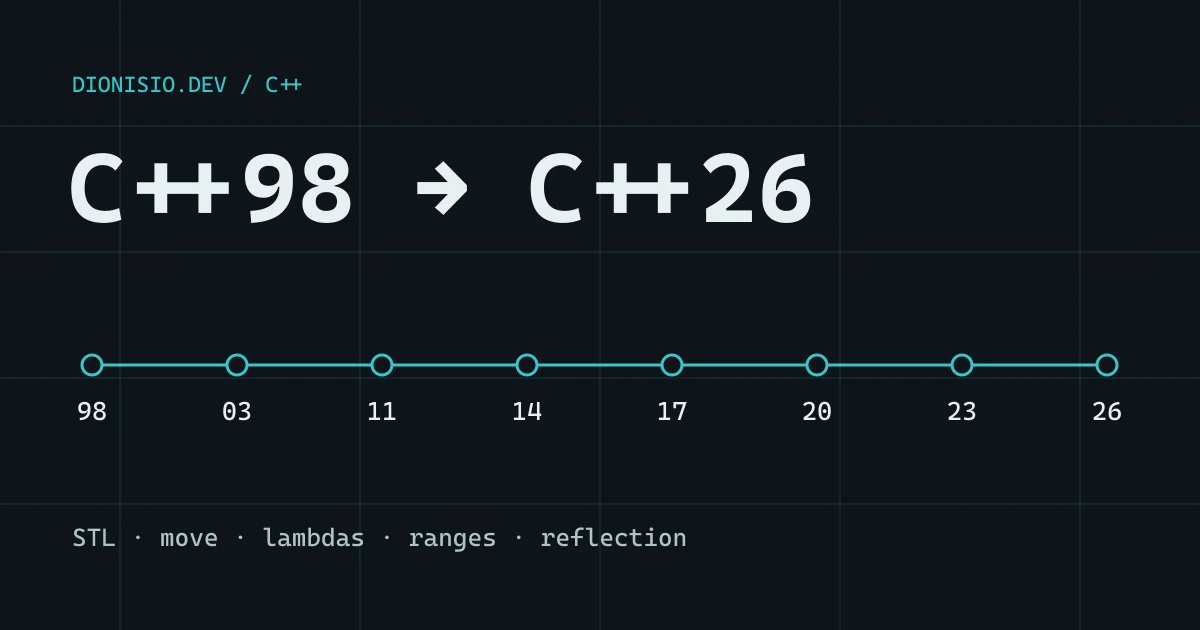
You open one project and find new, delete, raw pointers, and classes whose only job is to pass a function to an algorithm. You open another and see unique_ptr, lambdas, concepts, and ranges. Both are C++. Maintaining them can be a very...
In 2012, Knight Capital lost $440 million in 45 minutes because a deployment script deployed to 7 out of 8 servers. One server still ran the old code. The result: the trading algorithm bought high and sold low, 4 million times, before...
In 2020, Jane Street processed over 1 billion market data messages per day. In C++. Citadel Securities moves over $470 billion in daily volume. All in C++.
If you're just getting started with automation, or you're already a dev and want an unlimited Zapier/Make running on your own infrastructure without spending a single dollar a month, this step-by-step guide is for you.
Hey, dev Twitter crowd. Every day I see it on X: beginners posting “I’m going to quit programming, AI will replace everyone,” intermediates saying “tech layoffs, 2026 is going to be chaos.” I understand the discouragement. I’ve been a...
Quick View: — Big-O notation is a way to measure how much time and memory your code can consume as the input grows. Mastering Big-O means identifying cost patterns to make informed decisions.
I consider Clean Code one of the greatest classics in the world of software development. Some like it, some criticize it, but everyone definitely knows some concepts that came from this book.
If you're a developer and have never heard of Site Reliability Engineering, or heard of it but think it's just another buzzword, it's time to understand what lies behind this acronym that became a pillar of big tech companies.